
2026-10-28 · Frank Delgado
Signs Of A Slab Leak In Tampa Homes
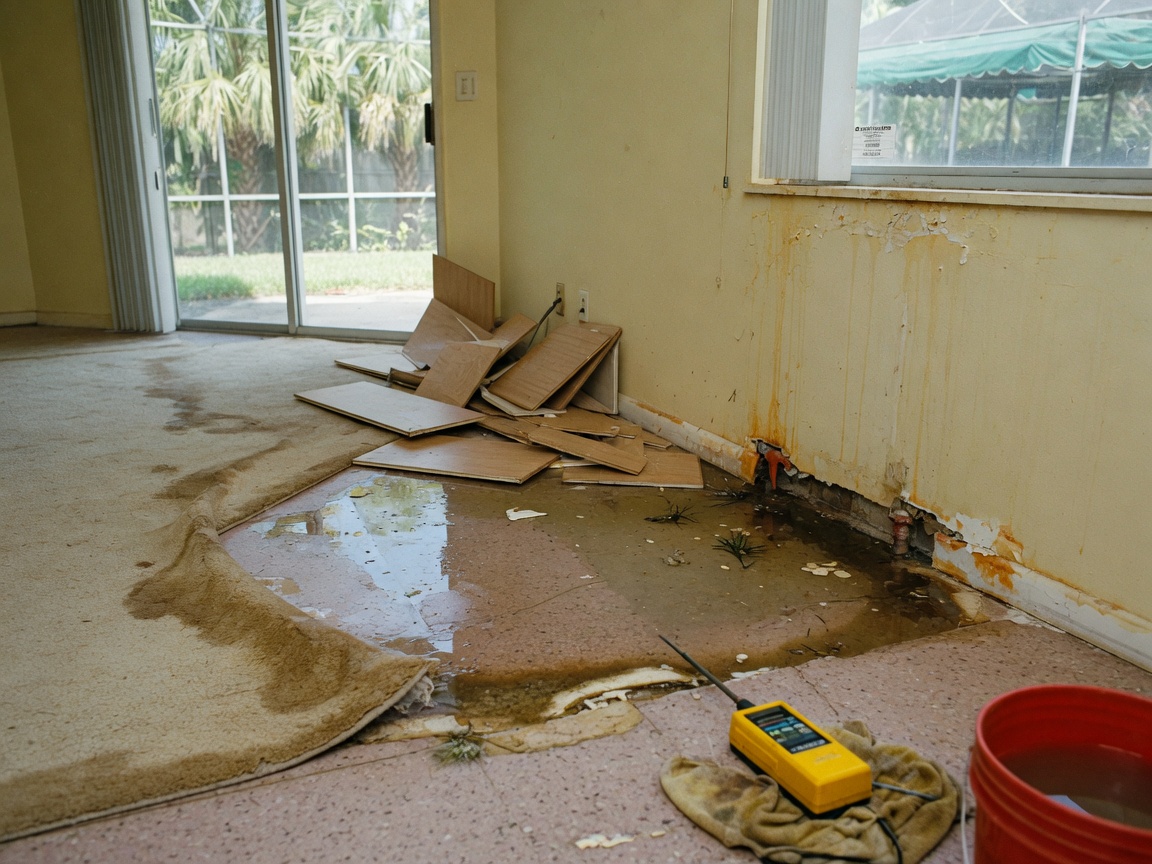
Tampa homes show slab leaks most often through unexplained damp spots on floors, sudden spikes in water bills, and areas of unusually warm flooring even without heat running. These indicators appear regularly in Hillsborough County residences because of shifting clay soils and the humid subtropical climate with wet summers that expand and contract pipe joints beneath concrete slabs.
Visual Moisture Patterns on Floors and Walls
Homeowners in South Tampa and Davis Islands frequently report dark stains along baseboards or small puddles that return after mopping. These marks form when pressurized water escapes copper or PVC lines under the slab and migrates upward through expansion joints. In older neighborhoods such as Ybor City Historic District and Seminole Heights, homes built before 1970 often have galvanized lines that corrode faster under constant moisture from summer rains. Warped hardwood or buckling tile near exterior walls signals ongoing saturation of the sub-slab fill. Checking these areas after heavy rainfall helps distinguish between surface condensation and true slab leaks. Persistent discoloration that darkens rather than dries points to an active underground breach rather than humidity alone.
Rising Water Bills and Pressure Changes
Monthly utility statements that climb $30–$80 without added usage frequently trace back to slab leaks in West Tampa and Downtown Tampa properties. A constant 1/8-inch stream can waste 3,000–5,000 gallons monthly, enough to register on Hillsborough County meters. Residents also notice weaker flow at fixtures farthest from the main line once pressure drops from the leak. Toilets that refill more often or faucets that sputter indicate the system compensating for lost volume underground. Tracking bills over three consecutive months reveals patterns tied to seasonal rain rather than household changes. When pressure loss coincides with warm floor zones, the combination narrows the source to under-slab piping.
How Tampa Climate and Soil Affect Slab Leaks
The region’s wet summers deliver 6–8 inches of rain monthly, saturating clay-heavy soils that heave and settle beneath slabs in Hyde Park and Brandon. This movement stresses rigid pipe sections, creating hairline cracks that widen over repeated cycles. Proximity to the Tampa Riverwalk and Lowry Park Zoo areas places many homes on reclaimed or filled land where drainage patterns concentrate water against foundations. High humidity prevents rapid evaporation, so small leaks remain active year-round instead of drying out. Homes near Busch Gardens or the Florida Aquarium often sit on lots with shallow water tables that keep soil moisture elevated, shortening pipe life compared with drier inland counties. These conditions make early visual checks after storms essential for catching leaks before they undermine slab integrity.
Practical Detection Steps Before Repair
Start by shutting off all indoor fixtures and reading the meter for movement over two hours; any advance confirms an underground loss. Walk through each room listening for faint running-water sounds near walls, then note floor temperature differences with an infrared thermometer. Document locations with photos and water-bill copies before contacting a technician. For homes in Seminole Heights or South Tampa with suspected leaks, professional acoustic listening or camera inspection locates the breach without unnecessary concrete removal. Readers exploring repair options can review slab leak repair details or examine repiping cost factors in Tampa residences to understand long-term solutions. Scheduling checks during drier winter months reduces false positives from surface water.