
2026-09-14 · Frank Delgado
Low Water Pressure Causes In South Tampa
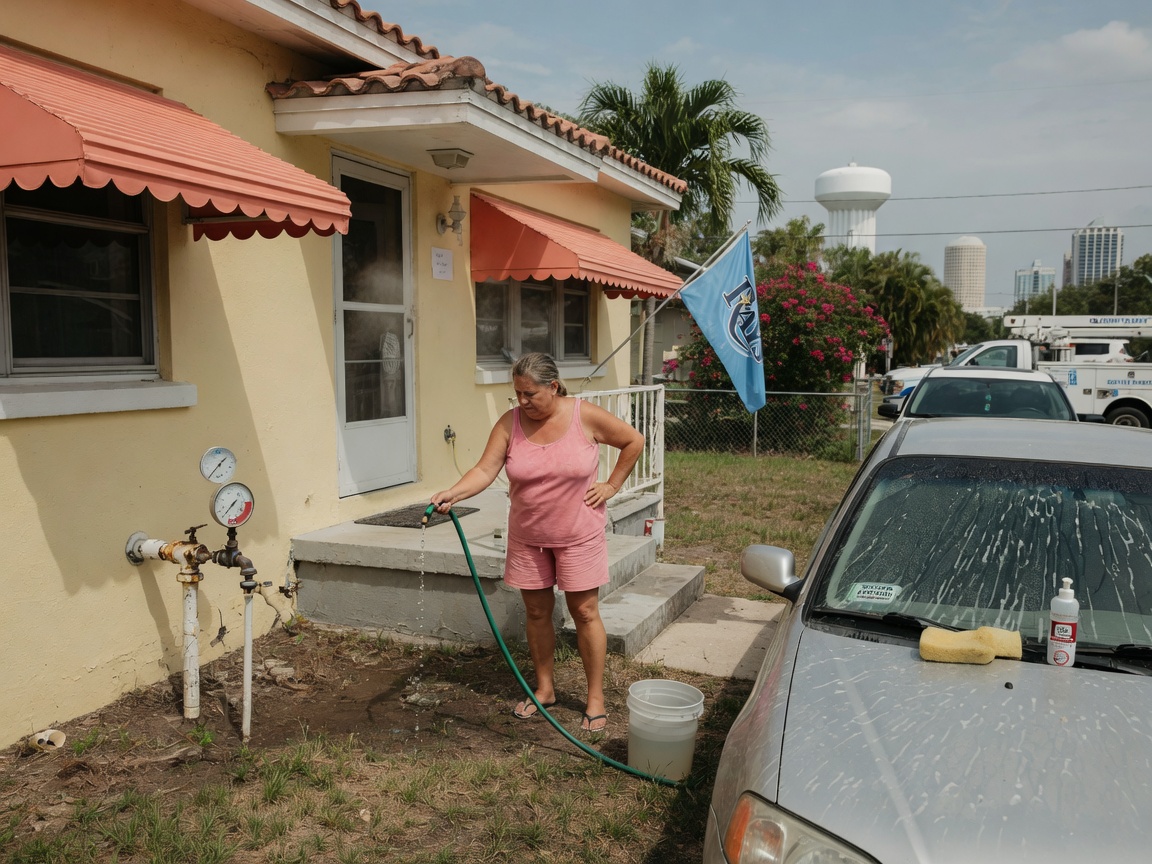
Low water pressure in South Tampa most often results from corroded galvanized steel pipes installed before 1970 or from hidden leaks in supply lines running under slab foundations common in the neighborhood.
Pipe Corrosion in Pre-1970 Homes
South Tampa contains many single-family homes constructed between 1940 and 1965 that still contain original galvanized piping. Over decades, interior rust and scale narrow the pipe diameter, cutting flow rates noticeably during peak morning and evening use. The county's humid subtropical climate accelerates external corrosion where pipes contact moist soil near Tampa Bay. Homeowners notice the drop first at upstairs showers or hose bibs farthest from the meter. Replacing these lines with copper or PEX restores volume without excavation in many cases. Pipe Repair & Replacement addresses the root issue once corrosion reaches critical levels.
Slab Leaks and Underground Supply Line Failures
Concrete slab construction prevalent in South Tampa places supply lines directly beneath living areas, where shifting soil and tree roots create pinhole leaks. These leaks divert water before it reaches fixtures, producing the classic symptom of low pressure accompanied by higher-than-normal water bills. The wet summers increase soil moisture that speeds pipe deterioration around joints. Detection requires specialized listening equipment or camera inspection rather than guesswork. Leak Detection & Repair and Slab Leak Repair locate and fix these hidden losses before they undermine foundations.
Municipal Supply Variations and Neighborhood Factors
Hillsborough County water pressure at the meter can fluctuate between 45 and 65 psi depending on demand from nearby Downtown Tampa and Davis Islands. Older neighborhoods like Hyde Park and Seminole Heights sometimes experience reduced flow during high-use periods or after heavy summer rains that affect treatment plant output. South Tampa's proximity to the riverwalk area also means some streets share older distribution mains that the city replaces on a rotating schedule. Checking the pressure at the main shutoff valve first rules out these external factors before interior work begins.
Water Heater and Fixture Restrictions
Sediment buildup inside water heaters reduces flow to hot-water outlets, a frequent complaint in South Tampa homes with 40-gallon or larger tanks that have not been flushed regularly. Aerators and showerheads also collect mineral deposits from the area's water supply, further restricting output. These restrictions appear gradually and affect only certain fixtures, helping isolate the cause. Annual flushing and replacement of restrictive aerators often restores pressure without major expense.
When Repiping Becomes the Practical Solution
Homes in South Tampa that show low pressure at every fixture usually require whole-house repiping once corrosion or multiple leaks are confirmed. The decision hinges on the age of the existing system and the cost of repeated spot repairs versus a one-time upgrade. Repiping Cost Factors In Tampa Residences outlines how pipe material, access method, and square footage influence pricing in the local market. Owners weighing this option benefit from inspecting accessible sections of pipe in the attic or crawlspace first.