
2026-10-28 · Frank Delgado
Maintaining Plumbing During Tampa Rainy Season
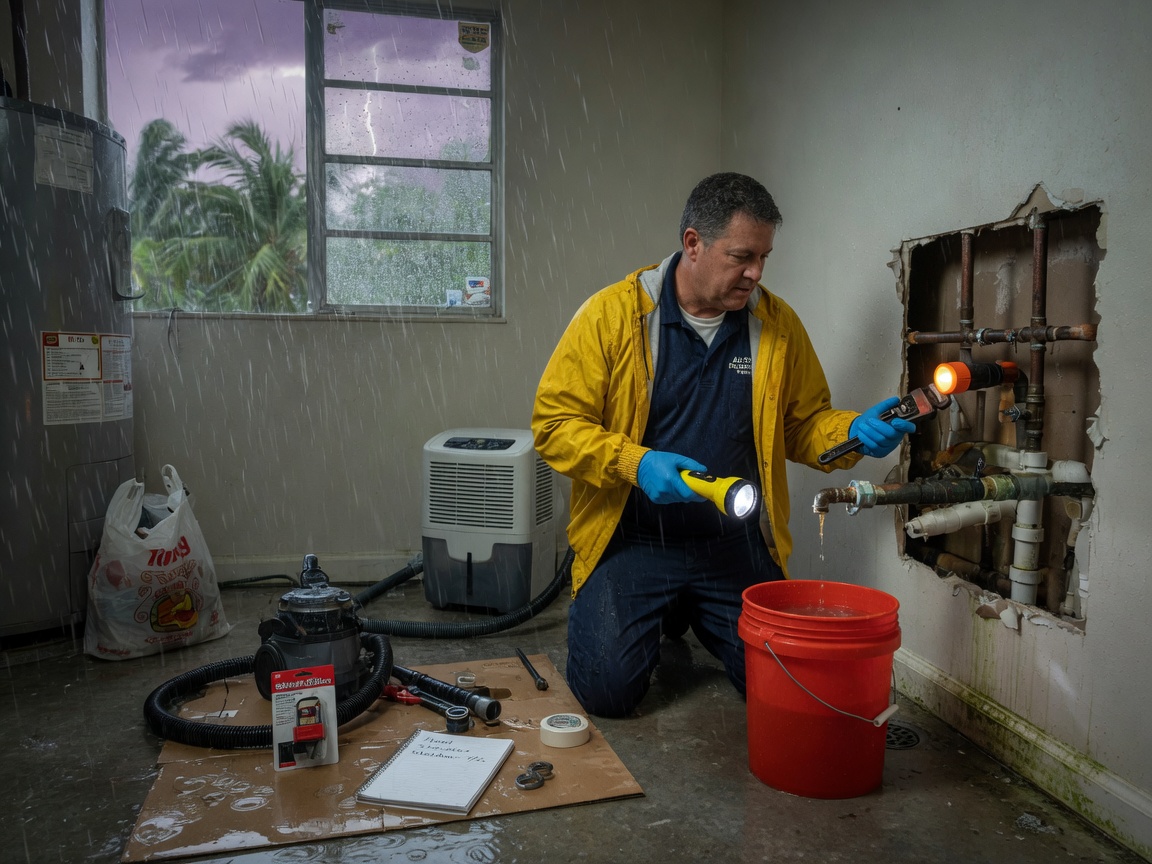
Maintaining plumbing during Tampa rainy season starts with inspecting sump pumps and clearing drains before June storms arrive, since the area's wet summers deliver frequent downpours that can overwhelm older pipes in Hillsborough County homes. Properties in low-lying spots such as Davis Islands and parts of Downtown Tampa face higher flood risk, while homes in Seminole Heights and Hyde Park often have aging galvanized lines that corrode faster under constant moisture. Checking these components early prevents sewage backups and slab leaks that become common when groundwater rises.
Preparing Outdoor Drains and Gutters Before Wet Weather
Tampa's rainy season from June through September drops several inches of rain in single storms, so homeowners should clear gutters and downspouts on properties in South Tampa and West Tampa to direct water away from foundations. Clogged drains allow water to pool near slab edges, increasing pressure on underground pipes that already contend with the region's sandy, shifting soils. Walk the perimeter after each heavy rain to spot standing water near the house, and flush exterior cleanouts with a garden hose to confirm flow toward the street connection. In Brandon and nearby areas, properties with French drains benefit from checking the discharge points for debris buildup that could back up into the home. These steps reduce the chance of interior flooding without requiring professional equipment on most visits.
Sump Pump Checks for Low-Lying Tampa Neighborhoods
Sump pumps protect basements and crawl spaces in flood-prone zones like Davis Islands and parts of the Tampa Riverwalk area where the water table sits close to the surface during wet summers. Test the unit monthly by pouring water into the basin until the float activates, then verify the discharge line routes water at least 10 feet from the foundation. In older Hyde Park homes, battery backup units add protection during power outages that often accompany thunderstorms. Replace units showing corrosion on the impeller or switch after 8–12 years of service, since the constant humidity accelerates wear. Sump pump repair and installation becomes necessary when the pump runs continuously or fails to eject water during test cycles.
Addressing Pipe and Leak Risks in Historic Districts
Ybor City Historic District and Seminole Heights contain many homes with original cast-iron or clay sewer lines that crack under the added load of heavy summer rains. Rising groundwater can push sediment into joints, leading to slow drains or backups that affect multiple fixtures. Schedule a camera inspection through cleanouts to locate offsets or root intrusion before the wettest months. Leak detection and repair helps identify slab leaks early in South Tampa homes where concrete foundations hide pipe movement caused by soil expansion. Residents in these neighborhoods also benefit from reviewing the plumbing considerations for historic Ybor City homes to understand material limitations common in pre-1950 construction.
Seasonal Drain Cleaning and Final System Review
Heavy leaf fall mixed with sudden downpours clogs main lines faster in tree-lined streets of Hyde Park and Seminole Heights, so a thorough drain cleaning before June clears grease and debris that combine with storm water. Run each fixture for several minutes while monitoring cleanout flow to confirm the main line handles volume. Homeowners near Lowry Park Zoo or the Florida Aquarium should also verify that yard drains tie properly into the municipal system rather than discharging near the house. Seasonal plumbing checklist for Tampa Bay homes provides a printable guide that aligns with local rainfall patterns. Completing these tasks during the drier shoulder months keeps systems functional when wet weather returns.