
2026-09-14 · Frank Delgado
Septic System Care For Tampa Suburbs
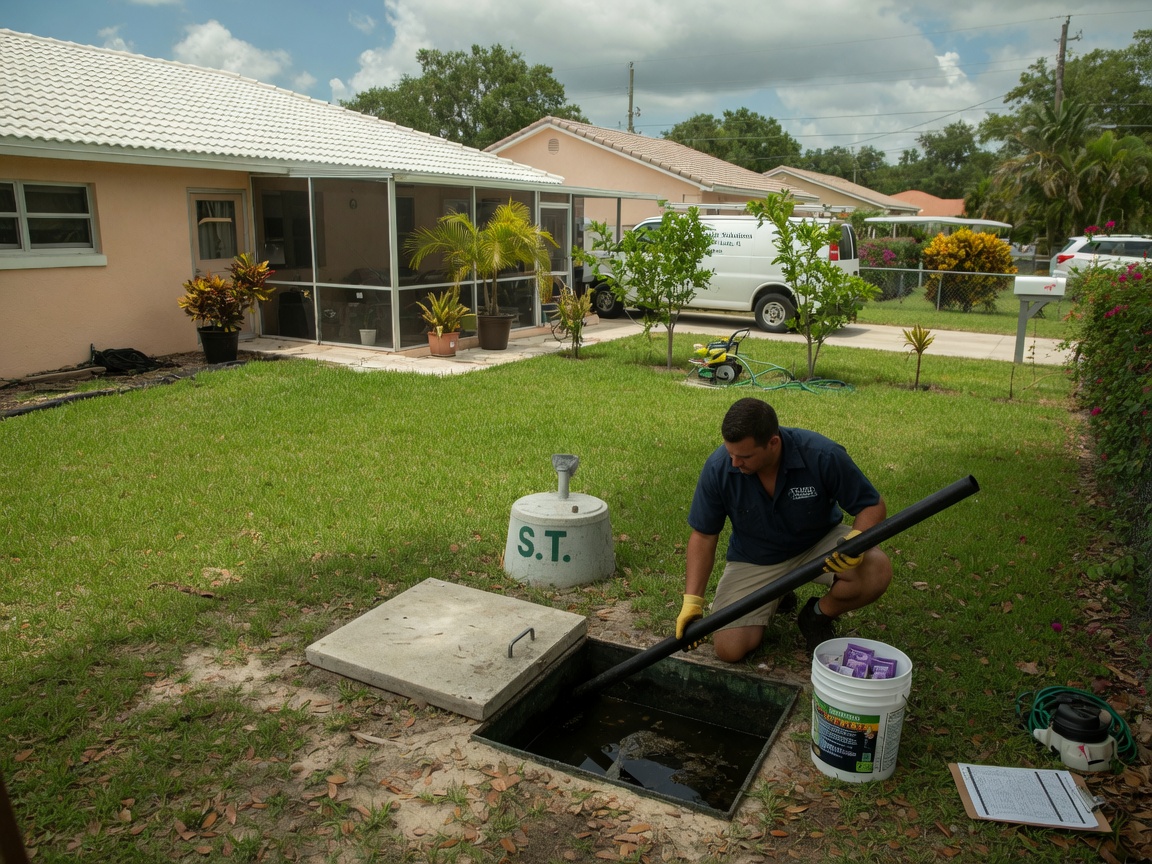
Tampa suburbs require septic system care focused on managing heavy rainfall infiltration and soil conditions that differ from central sewer neighborhoods like Downtown Tampa. Homeowners in Brandon and Seminole Heights often deal with drain field stress during prolonged wet periods because the humid subtropical climate keeps ground moisture high year-round. Regular checks for standing water near the tank or slow drains help catch problems before they reach the surface in these areas.
How Wet Summers Impact Septic Performance in Hillsborough County
Tampa's humid subtropical climate brings intense summer rains that saturate soils around drain fields in suburbs such as Davis Islands and South Tampa. Excess water reduces the soil's ability to treat effluent, leading to slower absorption and potential backups in older systems common to homes built before widespread sewer expansion. Residents in West Tampa notice more frequent odors or gurgling pipes after storms because clay-heavy soils retain moisture longer than sandy areas near the Tampa Riverwalk. Monitoring tank levels before the wet season starts prevents overflow when groundwater rises. Checking distribution boxes for even flow distribution reveals early signs of saturation that rain events exacerbate. Avoiding heavy vehicle traffic over the drain field protects pipes from shifting in softened ground typical after multiple downpours.
Maintenance Steps for Suburbs Like Brandon and Ybor City
Septic care in Brandon starts with keeping non-biodegradable items out of toilets and drains to reduce solid buildup that wet weather then pushes through the system. Homeowners near Ybor City Historic District should schedule visual inspections of the tank lid and baffles each spring before rains intensify. Pumping frequency depends on household size and usage patterns rather than fixed calendars, especially when nearby Clearwater or St. Petersburg influences vary in water table depth. Clearing roots from lines near the tank prevents clogs that heavy summer flows turn into backups. Testing effluent clarity at the distribution box shows whether the system handles the local soil load effectively after wet periods.
Recognizing Problems Tied to Local Terrain and Housing
Older homes in Seminole Heights and Hyde Park often sit on smaller lots where drain fields lie closer to foundations, making them vulnerable to shifting from repeated wet-dry cycles in Hillsborough County. Slow flushing toilets or wet spots in the yard after normal use signal saturation common when summer rains exceed normal amounts. Slab foundations in these neighborhoods can mask early leaks until they reach septic lines, requiring careful excavation to avoid further damage. Checking cleanouts regularly reveals buildup before it affects the entire line running toward the tank. Drain cleaning addresses minor clogs before they interact with septic components during peak rainfall months.
When Professional Help Becomes Necessary
Persistent odors near the tank or repeated backups after rain point to drain field issues that require assessment beyond basic homeowner checks in suburbs like South Tampa. Technicians familiar with Hillsborough County soil types can locate the system accurately without disturbing landscaping around homes in West Tampa. Linking septic lines to sewer line repair becomes relevant when older pipes fail under increased flow pressure from wet summers. Cold snaps, though rare, can still freeze shallow lines in Brandon, so reviewing related guidance on preventing pipe issues during rare Tampa cold snaps helps prepare systems year-round. Contacting local services at 4302 E 10th Ave #103 during Mon–Fri 8am–4:30pm provides access to crews experienced with these exact conditions.