
2026-10-28 · Frank Delgado
Common Plumbing Problems After Tampa Flooding
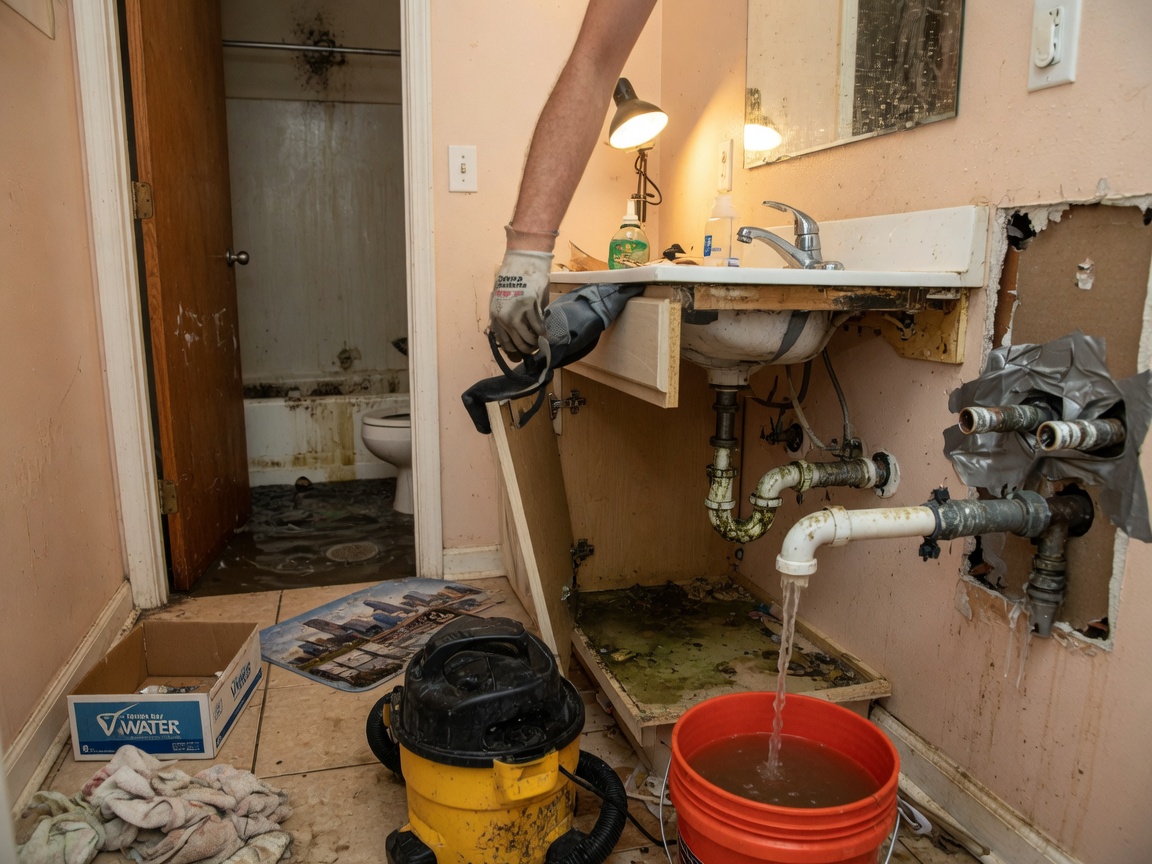
After Tampa flooding, the most common plumbing problems are backflow contamination, sump pump overloads, and slab leaks, especially in older homes across Hyde Park, Ybor City, and Downtown Tampa where clay soils and high water tables amplify pressure on pipes during wet summers.
Backflow Risks in Flooded Neighborhoods
In low-lying sections of Davis Islands and South Tampa, floodwater often reverses through sewer lines and forces contaminated water into homes. Older cast-iron pipes common in these Hillsborough County neighborhoods crack under the sudden pressure, allowing sewage to enter supply lines. Residents near the Tampa Riverwalk see this repeatedly because storm drains back up when rainfall exceeds two inches per hour. Checking for discolored water or sewage odors right after waters recede helps catch issues before they spread. Professional backflow testing becomes essential once streets drain.
Sump Pump Failures During Wet Summers
Homes in Seminole Heights and West Tampa rely on sump pumps to manage groundwater that rises quickly in the humid subtropical climate. When storms dump heavy rain, pumps run nonstop and burn out motors or clog with debris from nearby construction sites. A failed unit lets water reach foundations and damage electrical systems in basements or crawl spaces. Many pumps in these areas last only 8–12 years before needing replacement. Sump pump repair and installation addresses the specific float switch and battery backup needs common after repeated flooding events.
Slab Leaks Triggered by Saturated Soil
Concrete slab homes built before 1980 in Brandon and surrounding Hillsborough County areas develop leaks when floodwater saturates the soil and shifts the foundation. Copper or galvanized pipes under the slab corrode faster once moisture lingers for days. Signs include warm spots on floors, unexplained spikes in water bills, and musty odors. Slab leak repair often requires tunneling or epoxy lining rather than full replacement in these tight urban lots. Early detection prevents mold growth that thrives in Tampa’s humidity.
Drain and Sewer Line Blockages After Storms
Debris from Ybor City Historic District streets and fallen tree roots in South Tampa yards wash into main lines during floods, creating stubborn clogs. Older clay sewer pipes in these neighborhoods crack and allow roots to enter, worsening backups once water levels drop. Homeowners near Lowry Park Zoo or the Florida Aquarium report slow drains and gurgling toilets for weeks afterward. Maintaining plumbing during Tampa rainy season covers preventive jetting schedules that reduce these post-flood cleanouts.
Historic Home Vulnerabilities in Ybor City
Plumbing in pre-1920 structures around Ybor City often uses galvanized lines that corrode rapidly when floodwater introduces oxygen and sediment. Narrow lots limit access for repairs, and any work must respect historic district guidelines. Plumbing considerations for historic Ybor City homes outlines the careful repiping methods needed to avoid further damage to surrounding brick foundations. These homes also face higher risk of fixture leaks once water pressure returns to normal.
Bayshore Plumbing FL, based in Tampa, FL, handles these post-flood calls Monday through Friday from 8am to 4:30pm and focuses on the specific soil and pipe conditions found across Hillsborough County and nearby cities like St. Petersburg and Clearwater.